
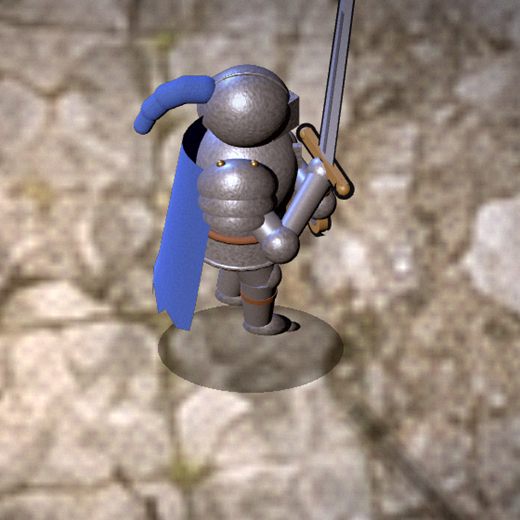
Knight
PlayableDirectional melee
Windups, drags and accels, feints, chambers, morphs and ripostes. The duel the whole game is built around. Plate takes 19 of a 33 hit — six to kill.
- Defence
- Parry, 60° cone
- Cooldown
- Shield wall
- Ultimate
- Berserk
In development · launching in the city of Emberhold · three classes playable
Duelbound is a persistent top-down MMO that borrows the free movement and no-target-lock dodging of Realm of the Mad God, the slow-burn persistent world of Tibia, and directional, read-based melee — windups, feints, drags, parries — from Mordhau. Its own idea: one hit number per weapon tier, every defence a fixed share of it, and levels that hand you a mechanic, not a stat.
Free-to-play + cosmetics. No pay-to-win in PvP — ever.
Every fight is real-time and positional. Aim and footwork decide hits — never a click on a nameplate.
A swing is a physical arc you can watch, bait, and step around. Every attack is a question the other player has to answer correctly.
A shared, living world you hunt, level, and trade in — for years, not one session.
Nothing you can buy makes you hit harder or parry easier. In PvP, the better duelist wins. Full stop.
The launch city
Duelbound launches in one city: soot, ember light and pale stone, with the colosseum at its heart, a temple quarter, the docks and the sewers underneath. The lands around it open up as the world fills.
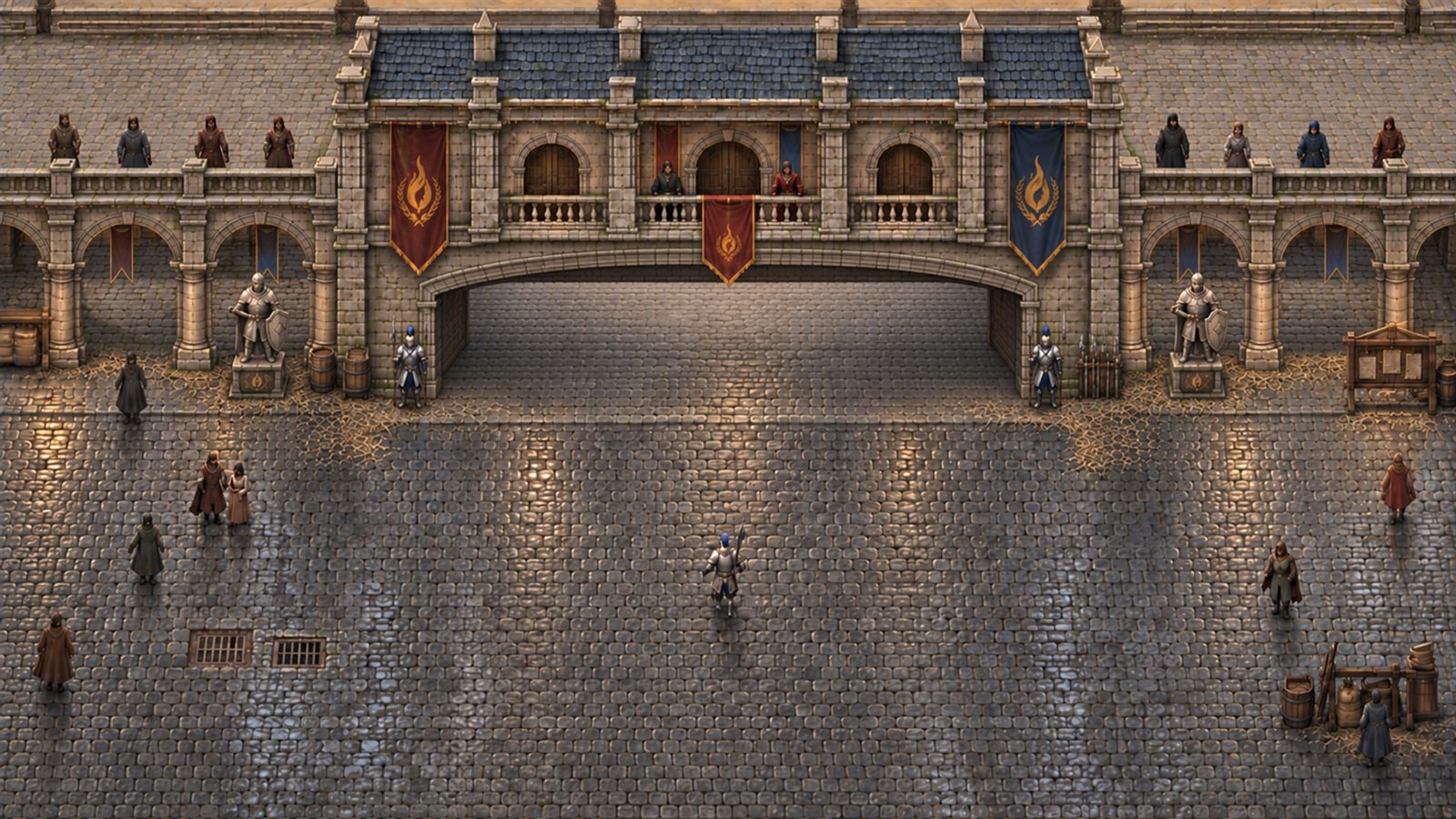
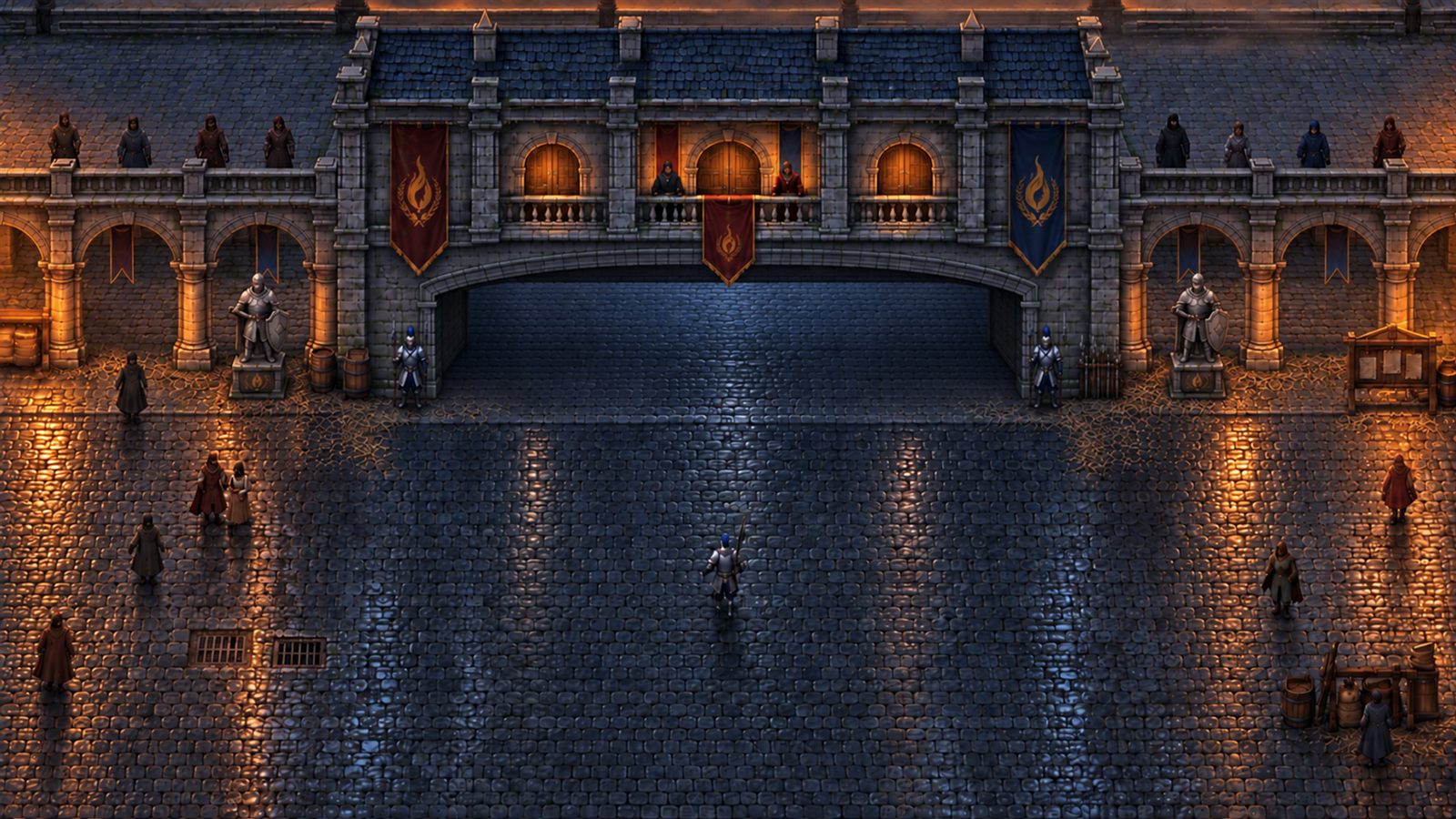
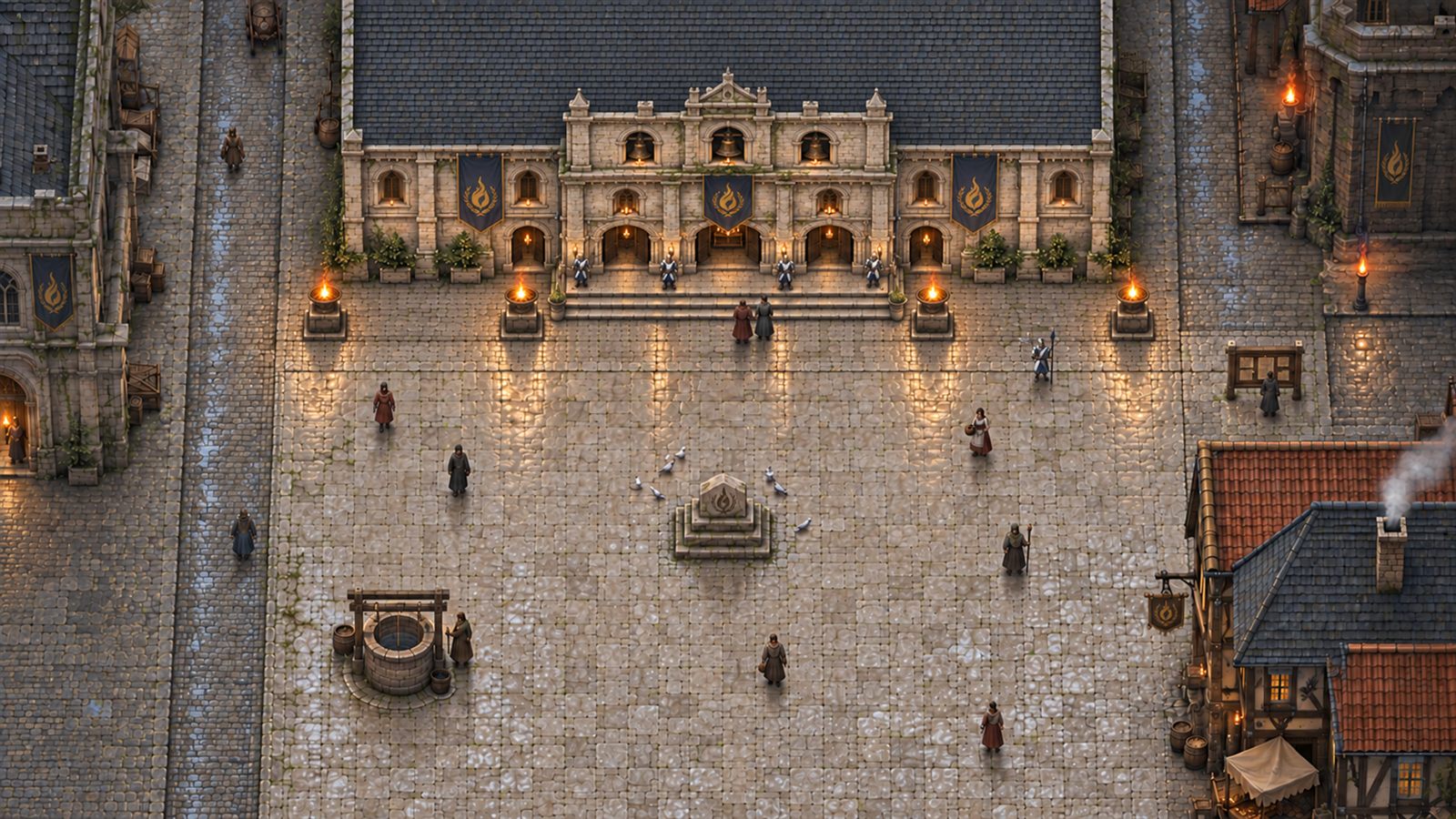
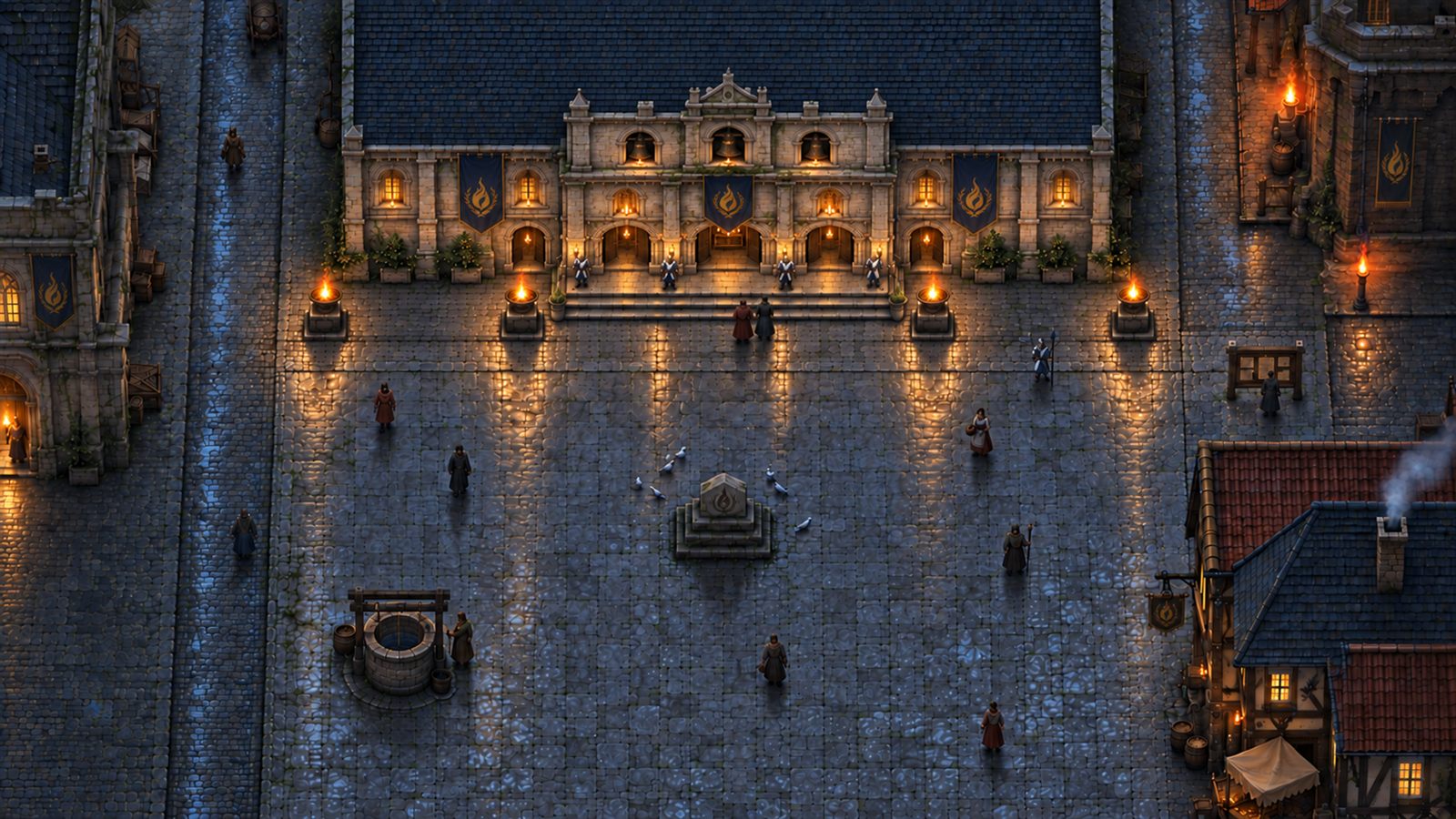
Concept art. The city is being built to match it now.
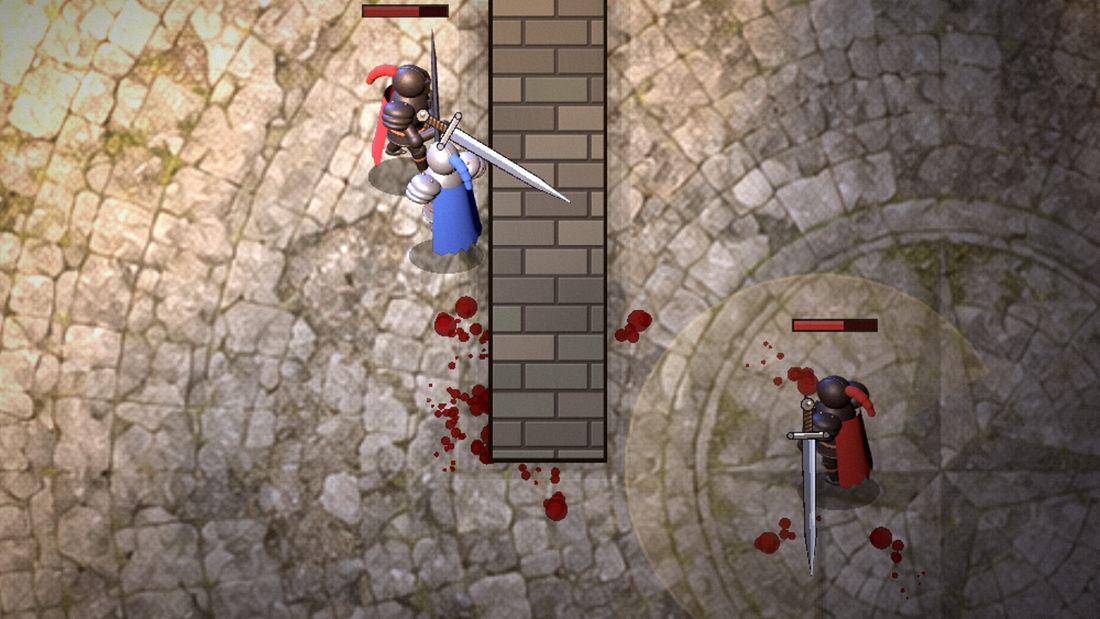 Live build — a networked fight, seen from a client at 17 ms ping
The core loop
Every weapon runs the same windup → active → recovery arc, and every option beats exactly one other option:
No stat wins this rock-paper-scissors — only reading your opponent correctly and executing under a real turn cap. Drag your swing to land it late, accelerate it to land it early, or flick a feint you can back out of for the cost of a little stamina. Everything is a visible, physical action, not a hidden roll.
The whole economy
Every weapon of a tier hits for the same number, and every defence is a share of the hit it answers. Learn it once with a rusty sword at level 1 and it is still true against a legendary blade at level 300.
Landing a hit, spells included, gives you back what blocking it would have cost: a quarter of the hit, as stamina. It rewards the player who lands the attack. A guard break leaves you exactly one block's worth. Magic ignores armour.
Common gear — what monsters carry and what you pick up — hits for half of best-in-slot, and every tier from rusty to legendary shares one reach and one set of timings: only the number changes. Nothing you find beats the number you were balanced against, so gear can make a fight longer, never shorter.
Choose how you fight
Every class plays by the same rules: visible windups, turn caps, stamina, and a read the other side can answer. What differs is how you defend — a knight parries in a cone, a mage shields all round, a ranger isn't there — and every one of them starts level 1 with the same arming sword.
Directional melee
Windups, drags and accels, feints, chambers, morphs and ripostes. The duel the whole game is built around. Plate takes 19 of a 33 hit — six to kill.
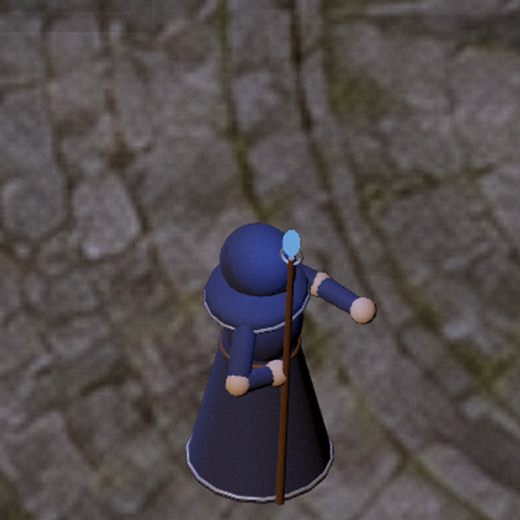
Spells you aim and time
Fire, frost and lightning fly at a stab's pace, can be feinted, and can be dragged on the tether to land late. Cloth takes the full 33 — four to kill. Magic ignores armour.
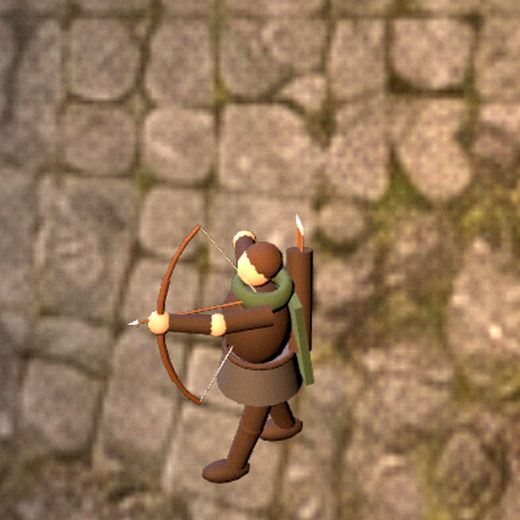
A longbow and footwork
The bow blocks nothing: the dodge is his parry — a hop out of the arc for ten stamina, then an arrow into the recovery. Skilled rangers keep the bow drawn even up close, hopping the swing with the arrow still nocked; the side sword is for when the stamina runs dry. Leather takes 24 of a 33 hit — five to kill.
In-engine renders of the models you play with. Every ultimate is the same attack at 1.5× damage for 20 of the bar — with a big animation.
Every fight is a duel
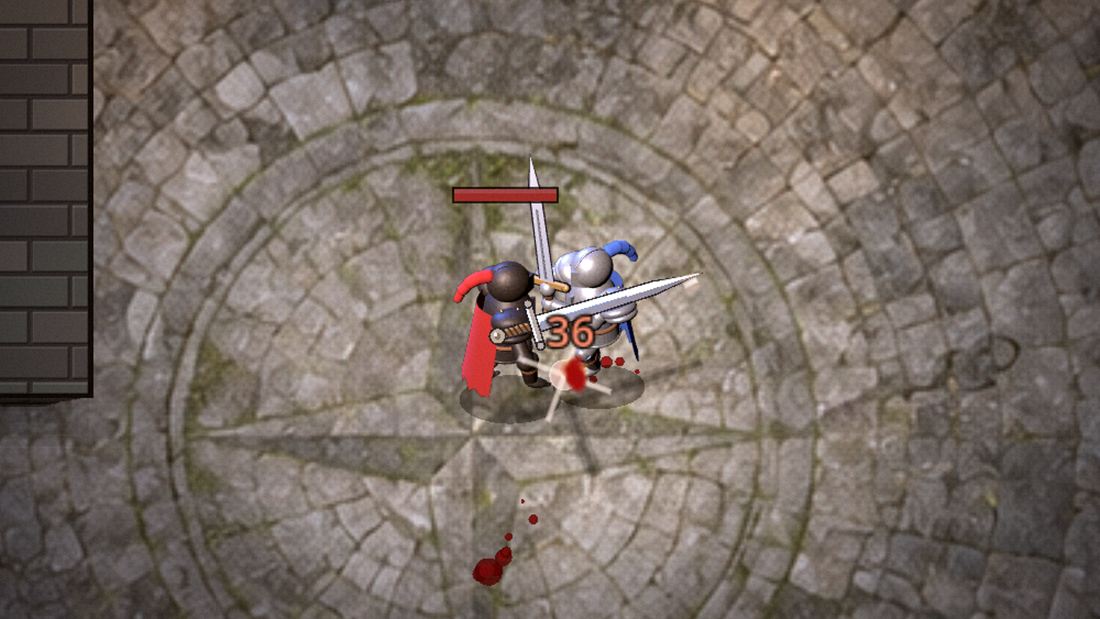
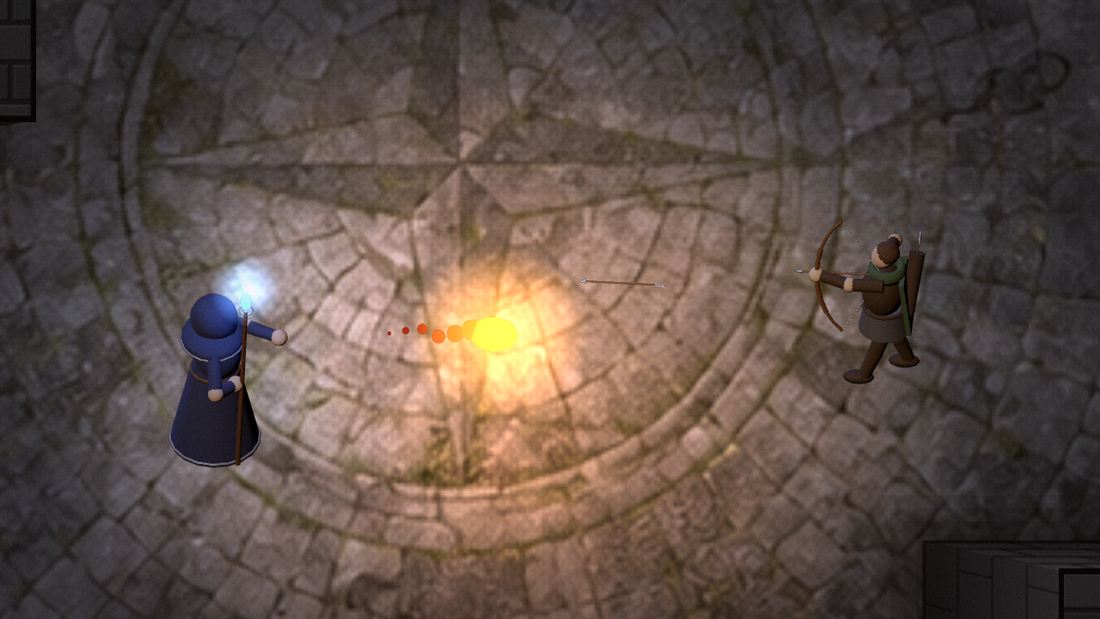
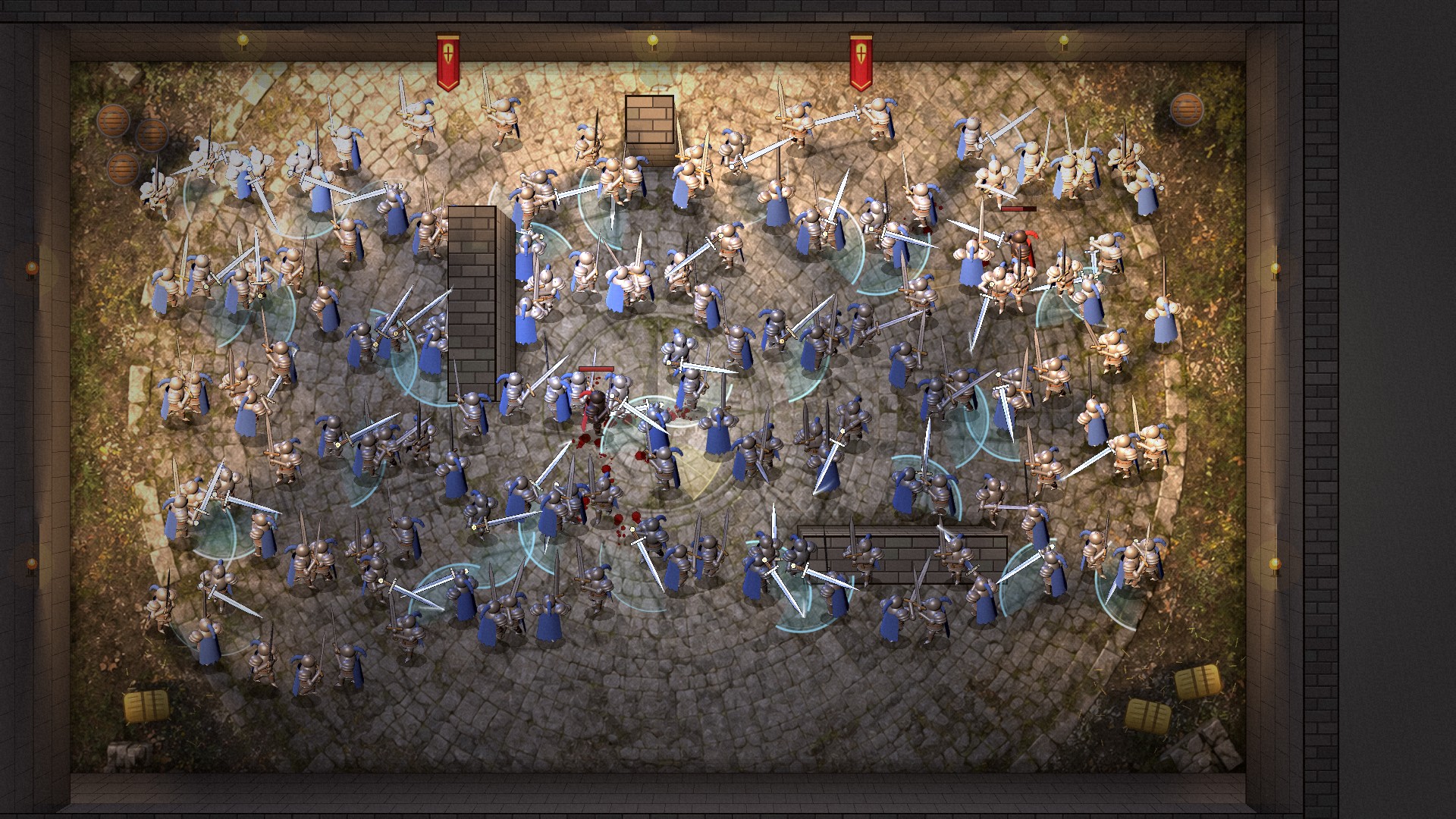 Live build — 150 knights in one arena, every one a posed 3D model drawn from the combat simulation each frame
Under the hood
A read-based duel falls apart if the network lies to you, so the netcode was built before the world. The server decides every hit at 60 ticks a second; your own knight answers your inputs instantly, and everyone else is drawn a steady two ticks behind.
When your parry or chamber was on time on your screen but reached the server a moment late, lag compensation rewinds to what you saw and turns the hit back into a parry — killing blows included. Close calls wait for that verdict, so a saved hit never flashes blood before the clang.
Build of 15 September 2026, on a mid-range laptop with built-in graphics.
Player count
Being top-down is the trick. Seen from above, a fight is a flat plane of circles: a hit is a line crossing a circle, and everything the server needs to know about a fighter fits in about 20 bytes. A 3D melee game has to test limbs against limbs, which is why the Mordhau-style games top out around 64 to 128 players on a server. Duelbound keeps the same read-based sword fight but can put far more people in it, and the heavy lifting is moving into native C++ on the server, which is about five times faster than the script it replaces.
How many fighters you can see, and fight, at once.
How many can fight in one place, and in one world.
Measured rows are real runs of the current build. Goal rows are the targets the engine is being built towards, step by step: the area of interest is done, native posing is done, and native combat on the server, shared packets for crowds, and zones come next. Bandwidth is never the limit: about 150 KB/s even with 1,000 fighters in view.
No grid, no tab-target. You move and aim independently, RotMG-style — but weighted toward Mordhau commitment, not twitch-dodging.
The whole forward cone is full sprint. Sidestepping is a walk. Backpedalling is the slow way out. Circling into a fight is always the fastest thing you can do.
Monsters run the exact same rules a player does — same turn caps, same windups, no stat-inflated gotchas. Harder monsters just read you better: nine in ten know only three things — accelerate, drag, parry — and the rest climb the same ladder you do, feint to chamber. Difficulty is two dials, blade and brain, never a hidden multiplier.
What waits in the dark
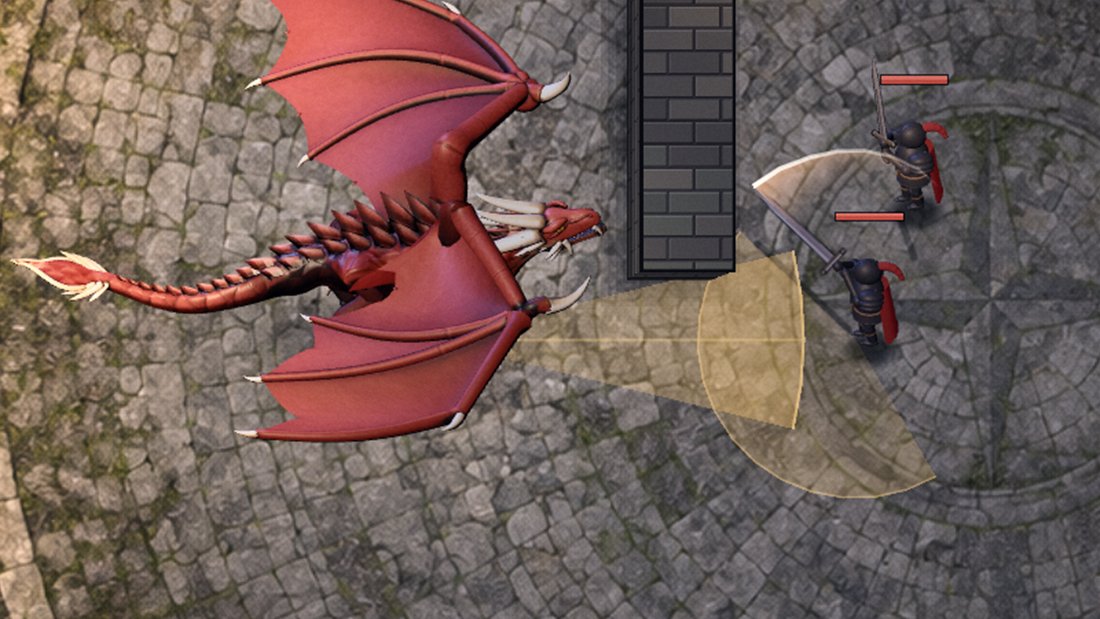
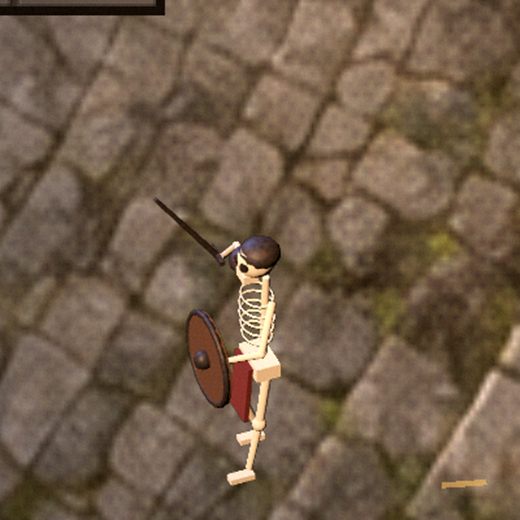
Shield up, sword ready, and they come in packs. They know the basics: accelerate a swing, drag it late, parry. Alone they're a lesson; four at once is a test.
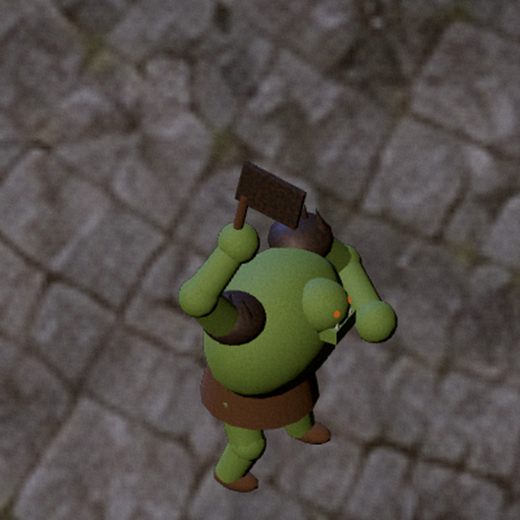
A cleaver that hits like a falling door and a body that shrugs off chip damage. Slow to wind up, brutal if you misread it; bait the swing and punish the recovery.
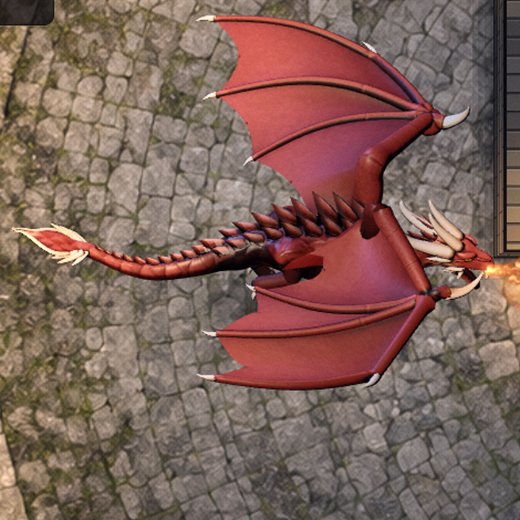
A raid, not a duel. It stalks the ground with its wings folded and flares them wide to strike: claws that sweep a side, a bite that reaches twice a greatsword, a fireball, and a breath you see it draw in before the flames come. Every one of them can be parried, chambered or dodged on the same rules as a player.
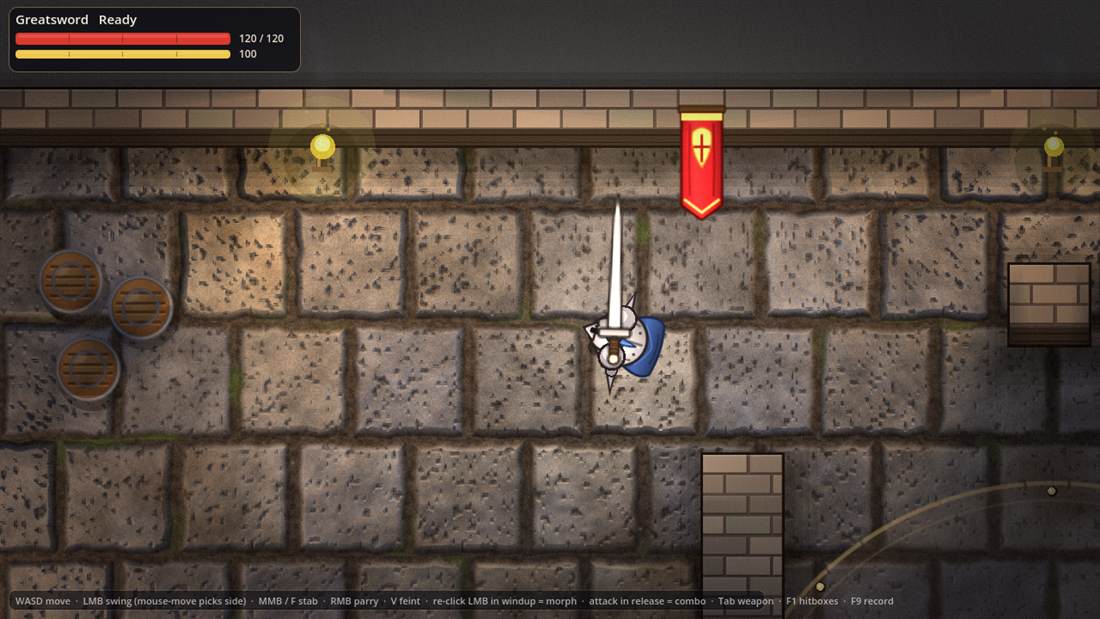 Live build — the dueling arena, mid-construction
The long game
Character level follows a Tibia-style parabolic curve — the climb from 1 to 50 takes an afternoon; 150 to 300 takes weeks. There's no level cap, and levels buy prestige and a bigger bar to spend, never a hard wall between players. Skill decides how well you spend it.
Death costs real progress — a full level, whether a monster or another player took it. Grace, bought with gold, keeps 80% of it, and being good pays: a full angel keeps 90%, a full devil 40%. It's meant to sting. That's what makes surviving mean something.
A level hands you a mechanic, not a stat. Everyone starts at 1 with an arming sword, one swing and a parry; the second side, the stab, then drags and accels follow; the staff and the bow arrive at 10; and feint, morph, the chamber — last of the reads — your cooldown and your ultimate come one at a time after that. The read game grows with you instead of landing on you all at once.
Skill sets your real rate of progress: a mechanically strong player earns several times the XP of an average one at the same level, and can safely hunt grounds a tier above their "safe" level. Mastery pays off everywhere, not just in duels.
Where you'll play
Mouse-driven aim and swing direction, full precision on the read game.
Thumb-stick movement, swipe-to-swing aim, on-screen parry and feint. Phones are built for hunting and the world first, and can still step into a duel.
One persistent world. Play on whichever screen you have with you.
Cosmetics, character slots, storage, and a battle pass fund the game. Nothing purchasable ever affects combat power in PvP — that line doesn't move.
Built in the open
The full melee ladder — attack, parry, feint, chamber, morph, drags and accels — with free movement, live 3D knights, and a sparring AI that plays the read game.
An authoritative 60 Hz server with prediction, interpolation, reconnects, an area of interest, and lag compensation for parries, chambers and killing blows. It came before content, because the duel only works if it feels right online.
Knight, mage and ranger on one read game and one stamina bar, ultimates, heals and the magic shield, a playable dragon, and a balance runner that fights thousands of AI duels to check every matchup.
The launch city, built to match its concept art: the colosseum, the temple quarter, the Knights’ Hall, Mage Tower and Ranger Lodge, the docks and the sewers, with the first monsters beneath the streets.
A server in Sydney, the Discord’s first open duels, and levels, gear and accounts that save.
One city, full of players: ranked duels in the colosseum, hunting below the streets, and death that actually costs something.
New regions open as the world fills, each its own zone, with native server code holding thousands of fighters per battle.
Play the prototype
The combat, exactly as it is today: three classes, the full read game, bots at four skill levels, and online duels on the playtest server. Not a game yet — the fight the game will be built around.
Unzip anywhere and double-click a launcher. The server address and password are on the Discord.
Duelbound is being developed in the open, one mechanic at a time. The Discord is where it happens: devlogs, playtests, and a say in what comes next.